Filter presses and filter plates
Filter press separates solid particles from liquid in a repeated pressure cycle. The plates form the chambers, filter cloth filters the slurry and the resulting cake is removed after the cycle.
How a Filter Press Cycle Works

Simplified cycle progression:
- the plates are packed together to form chambers
- the suspension is pumped into closed chambers
- the liquid passes through the sail and the drainage surface of the plate
- solid particles form a filter cake in the chamber
- at the end of the cycle, the packet is opened and the cake is removed
Types of Filter Press
types Main design variants:
- frame: separate frame and plate form each chamber
- chambered: the working space is created by lowering a pair of chambered plates
- membrane: a flexible membrane compresses the cake additionally after filling the chamber
The Role of Filter Plates
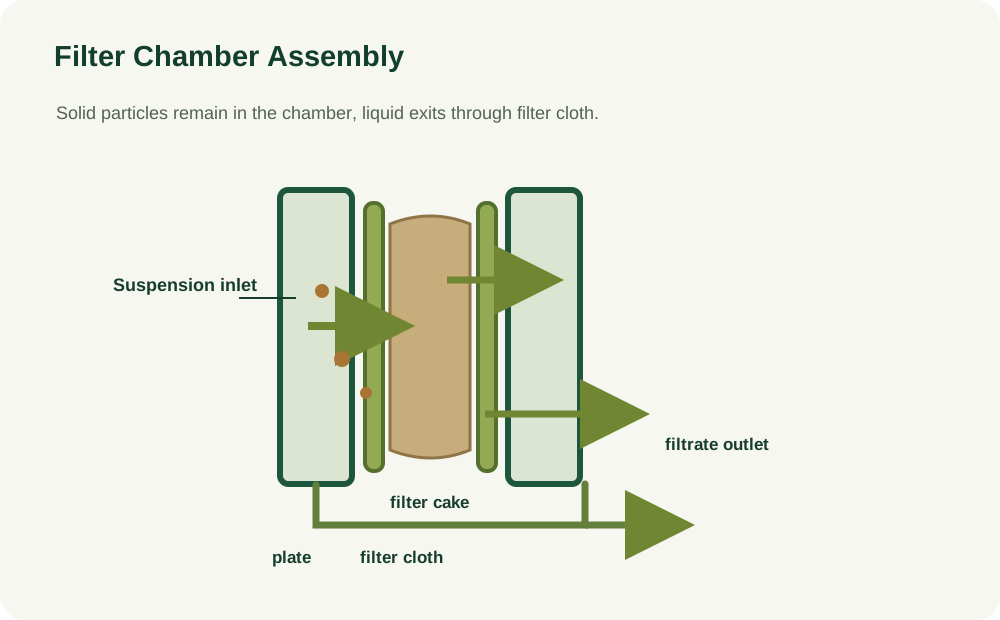
The plate creates a chamber, carries filter cloth and drains the filtrate through drainage channels. Its dimensions and surface determine the volume of the chamber, the pressure load, the tightness and the way the fabric is attached. The material of the plate is chosen with regard to the chemistry, temperature and mechanical stress of the process.
Plate and filter cloth form a whole
Hole, sealing surface and method of mounting on the plate determine the possible design of filter cloths. A mismatch can cause suspension bypass, uneven filtrate drainage or faster wear. Both components must therefore be considered together.
What affects the result of filtering
The filter press alone does not determine the result. Performance also depends on the suspension, operating pressure, chamber area and volume, filter cloth, and the duration of each cycle phase. The aim is to balance flow rate, filtrate clarity and cake dewatering.
What to prepare for design or replacement
For a basic assessment, the following data will help:
- device type and size or production label
- type and dimensions of the plates, including holes and fixings
- the nature of the suspension and the desired filtration result
- operating pressure, temperature and chemical environment
- current operation problem or reason to replace
Choose a frame, chamber or membrane filter press with matching filter plates. For replacement or repair, see filter plate service. The filter cloth guide explains how the cloth affects filtration.